Riskiest Countries for Solo Travelers: How to Assess
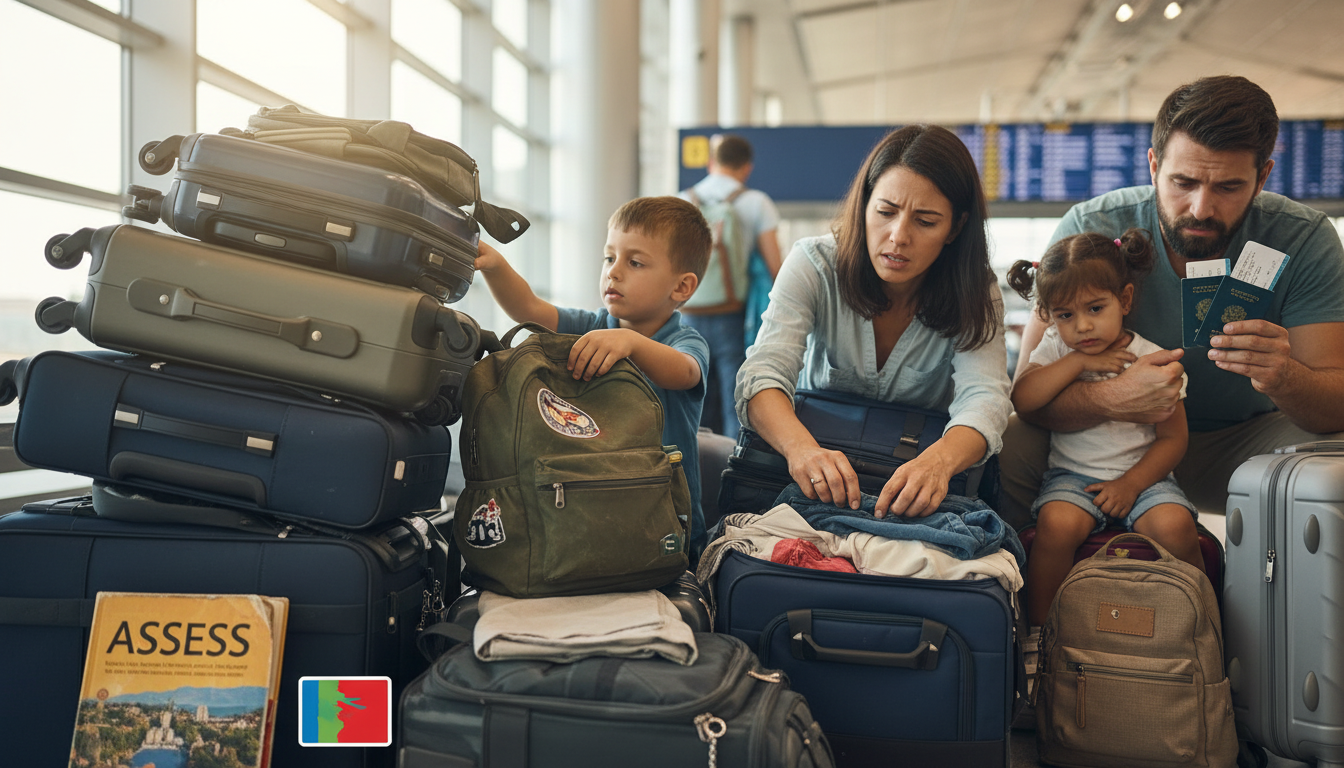
What country is riskiest for solo travelers?
No single country is “the riskiest” for every solo traveler. Risk depends on what kind of safety you’re measuring (violent crime, scams, political unrest, road safety, natural disasters), where you go within a country, and how you travel. Some destinations can feel very different from one city or region to the next, and conditions can change quickly.
That said, countries that frequently appear on higher-risk lists for certain travelers are often those experiencing active conflict, high levels of violent crime in specific areas, or unstable governance. Examples sometimes cited in advisories include places with ongoing security concerns such as parts of Haiti, Afghanistan, Syria, Yemen, Somalia, and Venezuela. This doesn’t mean every neighborhood is dangerous or that travel is impossible—only that the baseline risk can be higher and support options may be limited.
How to judge risk for your specific solo trip
Instead of relying on a single “most dangerous” label, focus on current, practical indicators:
- Government travel advisories: Check the latest alerts and the reasons behind them (crime, terrorism, civil unrest, kidnapping, health).
- Regional differences: A country can have safe tourist hubs and high-risk border zones at the same time.
- Common incidents for tourists: Pickpocketing and phone snatching may be more likely than violent crime in many destinations, but both matter.
- Transit and road safety: Late-night buses, poorly regulated taxis, and dangerous driving can be a bigger threat than crime.
- Solo-specific factors: Arriving after dark, standing out as a tourist, and lacking local support can amplify smaller risks.
For a deeper breakdown of how to compare destinations and what to watch for, visit the main guide: What country is riskiest for solo travelers?.
For Riskiest Countries for Solo Travelers: How to Assess, the best answer depends on fit, material, care instructions, and how the product will be used day to day.
FAQ
What are the biggest safety tips for solo travelers?
Stay in well-reviewed areas, share your itinerary with someone you trust, and keep backups of documents and cards. Use licensed transportation, avoid risky late-night routes, and trust your instincts if a situation feels off.








Leave a comment